Why Crypto Wallet Ownership Is Different from Identity Verification
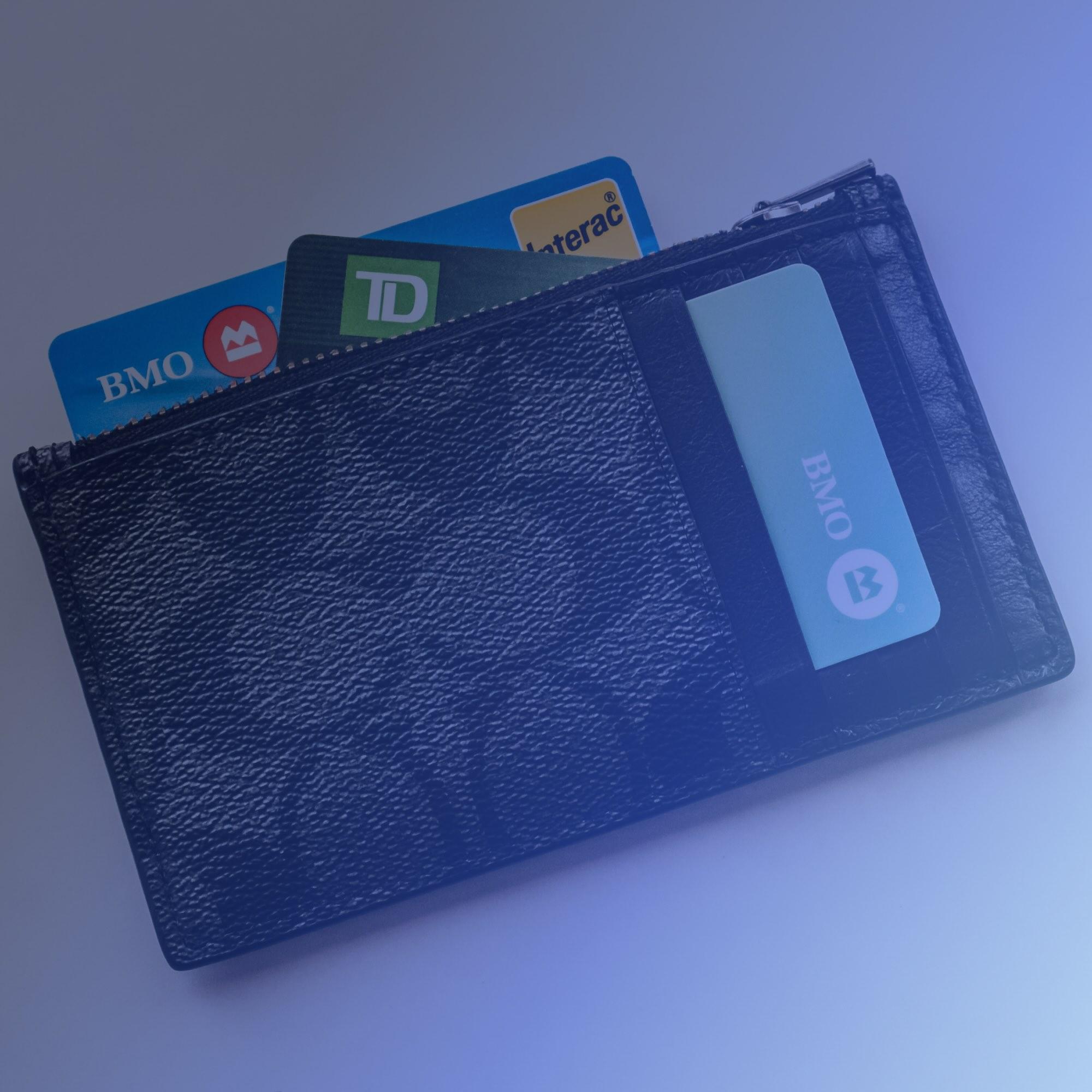
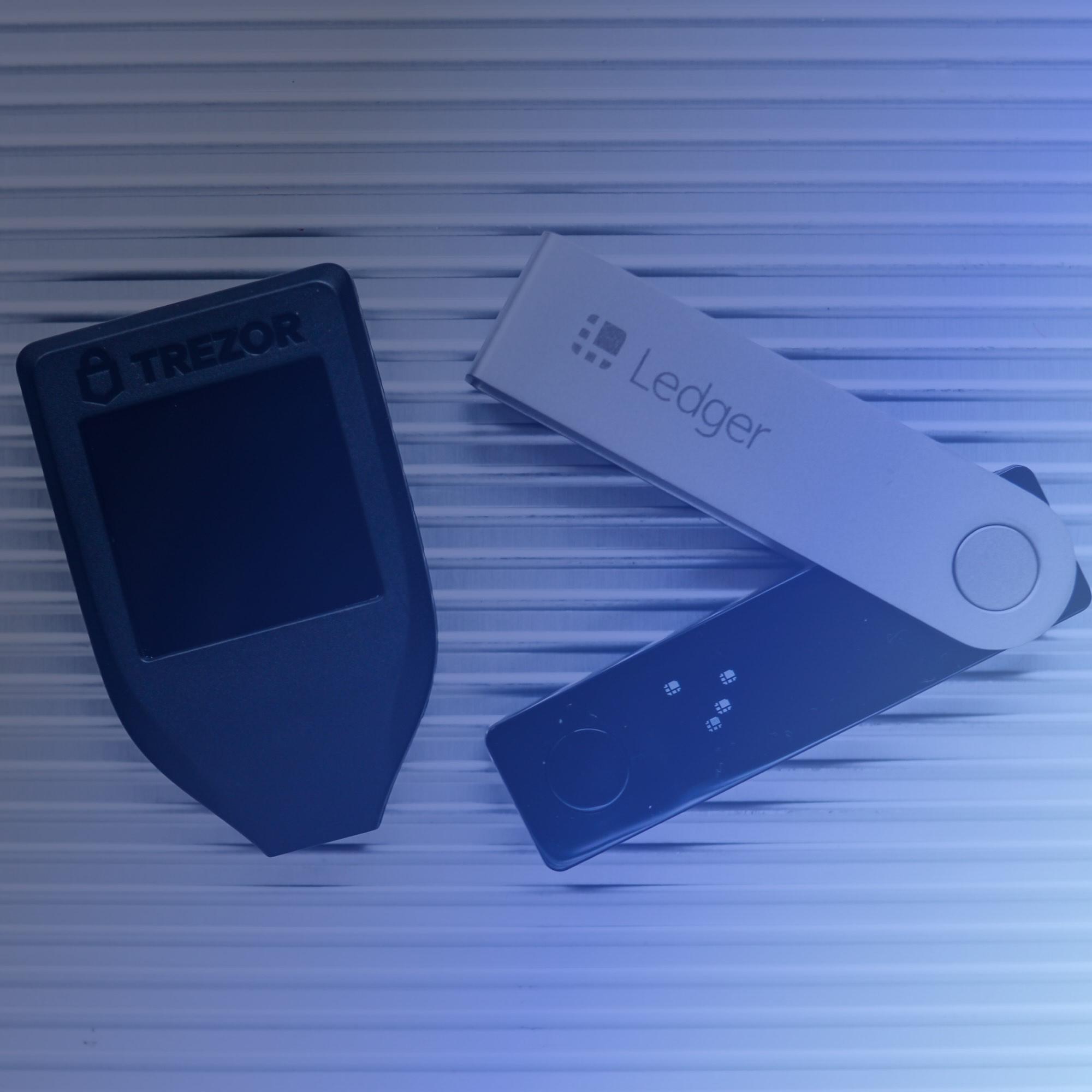
KYC can verify who a person is, but it does not prove they control a crypto wallet, own the assets inside it, or can use those assets for a specific financial review.
Expert articles on proof of funds, wallet verification, and secure crypto practices.

KYC can verify who a person is, but it does not prove they control a crypto wallet, own the assets inside it, or can use those assets for a specific financial review.

The best wallet ownership verification platform is not just a signature checker. Institutions should compare proof of control, attribution, balance evidence, permissions, reverification, and auditability before relying on crypto wallet data.

Proof of wallet control is not the same as proof of legal or beneficial ownership. Institutions need to understand the distinction before relying on wallet signatures, addresses, or on-chain visibility in underwriting, compliance, audit, and counterparty review.

A crypto wallet verification API should do more than collect addresses or screenshots. Institutions need proof of wallet control, timestamped proof of funds, reusable records, reverification, and audit-ready evidence without taking custody.

Crypto verification is emerging because self-custody and institutional decision-making now need a common evidence layer. That shift would happen with or without any one company.

The real innovation in crypto compliance may not be better custody. It may be user-controlled evidence that lets institutions verify what matters without taking possession of the assets.

Self-custodied crypto can hold real economic weight while remaining institutionally invisible. The missing piece is not custody. It is legible, reviewable proof.